In our fast-paced, overstimulated world, finding calm in the chaos can feel like a challenge. Yet within each of us lies an extraordinary tool for balance and renewal – our heart.
Over the past few decades, researchers at the HeartMath Institute (an IONS partner) have explored what they call “heart coherence” – a state where our heart, mind, and emotions work in harmony. When we experience gratitude, compassion, or love, the rhythmic patterns of our heartbeat become smooth and ordered. This is coherence – a measurable physiological state that reflects inner harmony.
What Is Heart Coherence?
Our heart doesn’t just pump blood; it continuously communicates with the brain and body through electrical, biochemical, and hormonal signals. When we’re stressed, this communication becomes erratic, and our heart rhythms appear jagged and disordered on biofeedback and EKG technology.
But when we feel calm and centered, our heart rhythms form a coherent wave pattern. This coherence isn’t just about feeling good; it also supports clearer thinking, emotional stability, and physiological balance.
The HeartMath Institute’s research shows that we can train ourselves to enter this state through simple techniques: slow, rhythmic breathing, intentionally focusing on the heart, and generating feelings of appreciation or care. These practices directly influence the autonomic nervous system (ANS) – the body’s core regulator of energy, stress response, and emotional tone.
The Science of Inner Balance
One way scientists measure coherence is through heart rate variability (HRV) – the subtle variations in time between each heartbeat. A higher HRV reflects a flexible, adaptive nervous system, while low HRV is linked to stress, fatigue, and emotional imbalance.
A clinical study conducted by IONS Scientist Dr. Arnaud Delorme and other researchers, about Heart Rate Variability Biofeedback and Emotion Exposure Therapy, published in F1000Research, further supports this connection. Researchers worked with 100 patients who had experienced adverse childhood experiences (ACE) – early-life stressors known to impact emotional regulation. Over eight sessions, participants were guided to tune into bodily sensations related to past experiences while their HRV was monitored in real time.
By the final session, participants showed a significant decrease in heart rate and a rise in HRV – clear signs of improved autonomic balance. In essence, as they learned to feel into their emotions with awareness and self-regulation, their bodies responded with greater coherence.
Creating Coherence in Daily Life
The beauty of coherence is that it’s trainable. Anyone can learn to shift their physiology toward balance and inner alignment.
Here are a few simple ways to support heart coherence:
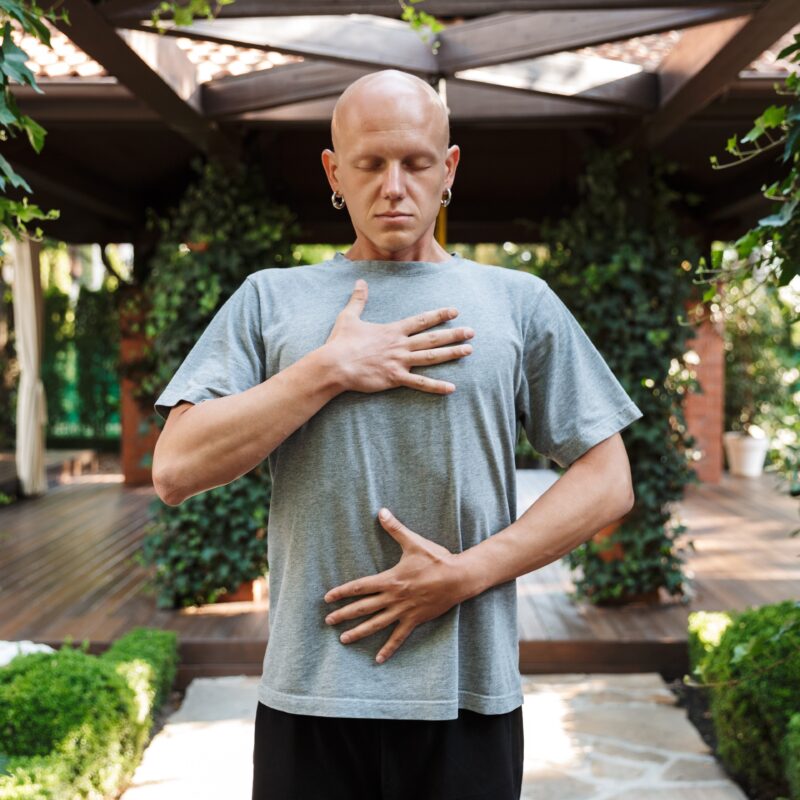
- Breathe “through your heart”. Slow your breathing to about five seconds in and five seconds out, imagining that you’re breathing directly through your chest.
- Activate a positive feeling. Think of someone or something you appreciate deeply. Let that feeling fill your heart and expand through your body and become stronger with each breath.
- Sustain the feeling. Stay with it for at least a minute, noticing how your body begins to relax and your mind quiets.
When practiced regularly, this simple shift strengthens the heart-brain connection, supports emotional regulation, and helps you navigate challenges with greater resilience and clarity.
The Ripple Effect of Coherence
When we enter coherence, our personal energy field changes – and others can feel it. Research suggests that coherent heart rhythms may even synchronize with those around us, supporting more harmonious relationships and environments.
In this way, coherence becomes more than a personal practice; it’s a way of contributing to collective well-being. Each moment we choose balance, compassion, or gratitude, we’re literally broadcasting coherence into the world.
The emerging science of the heart reminds us that how we feel affects how we function. Through intentional practice, we can learn to regulate our internal rhythms, transforming stress into clarity and disconnection into connection.
The heart is more than an organ – it’s a powerful center of intelligence, coherence, and healing. And the more we align with it, the more we attune to the more profound harmony that connects us all.
In addition to the practices mentioned above, you can also meditate on heart coherence. Enjoy a brief six-minute meditation, guided by Nina Fry-Kizler, IONS Senior Designer of Experiential Programs.
Heart-Brain Coherence Meditation
